


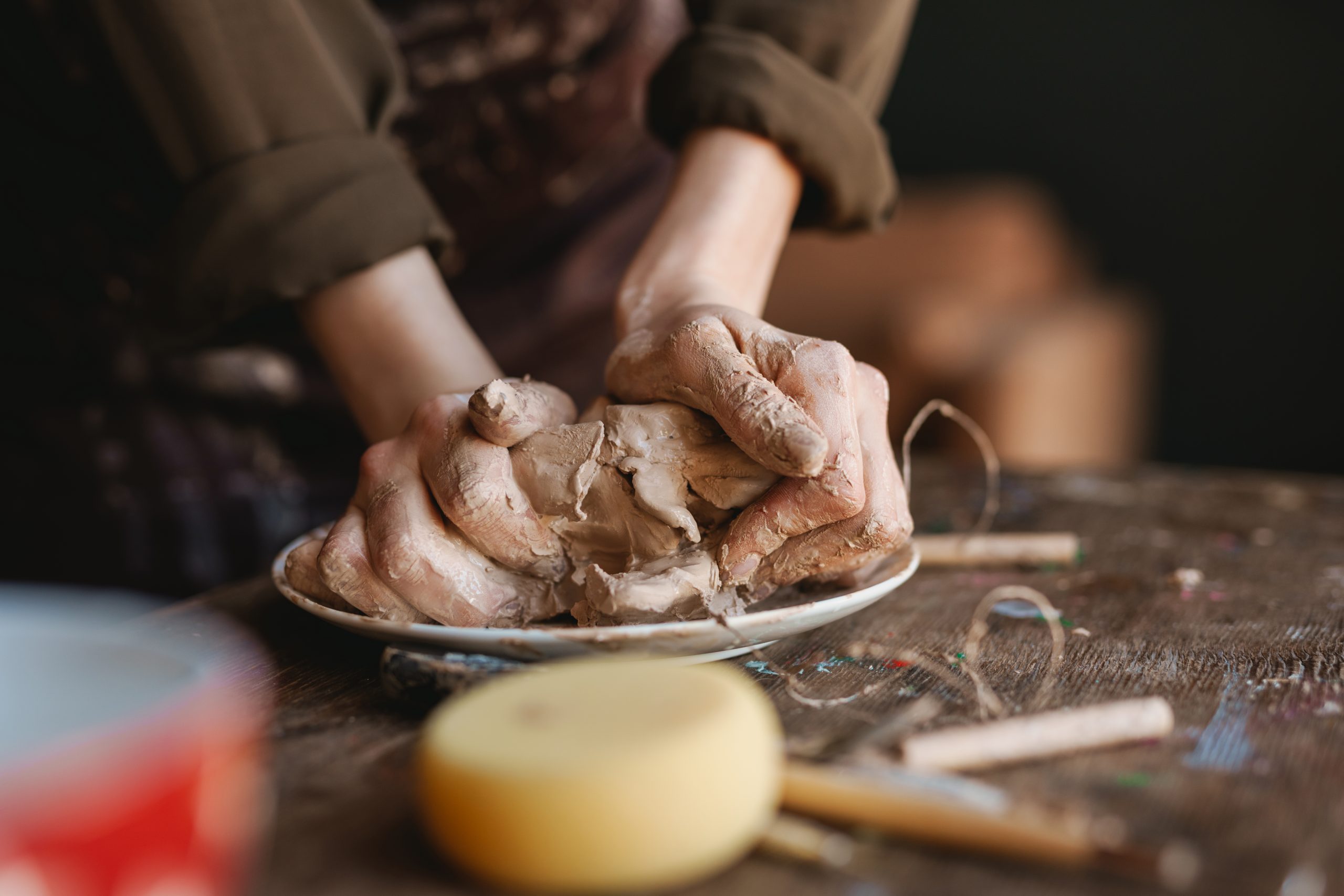
In the realm of alternative therapies, pottery therapy emerges as a deeply therapeutic practice that combines creativity with mindful expression to promote healing and well-being. Rooted in ancient traditions and embraced in modern therapeutic settings, pottery therapy offers a unique avenue for individuals to explore their emotions, enhance mindfulness, and foster personal growth. Let’s delve into what pottery therapy entails, its benefits, and how it enriches the lives of those who engage in it.
Understanding Pottery Therapy
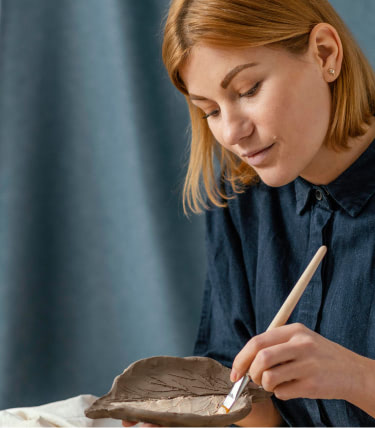
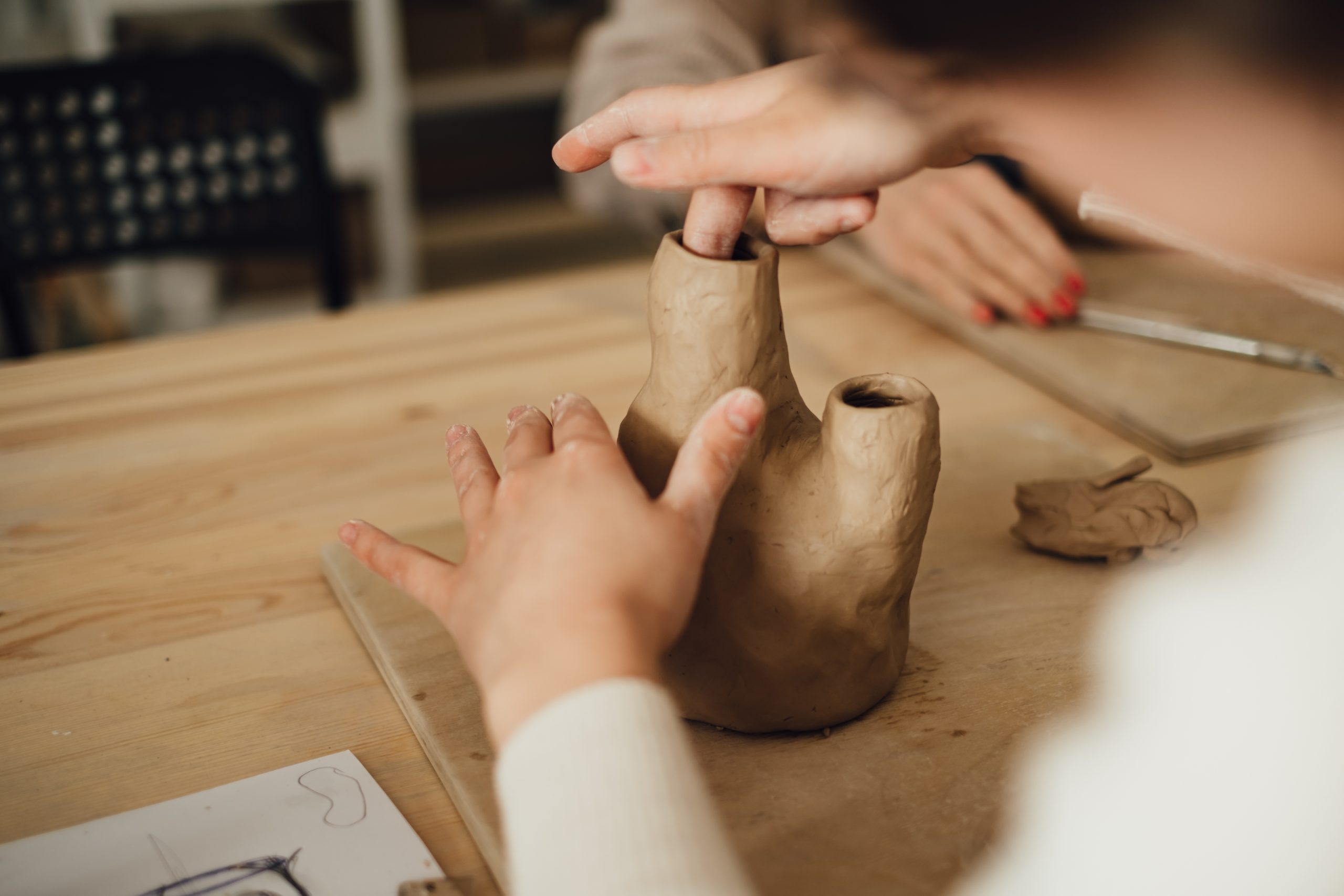
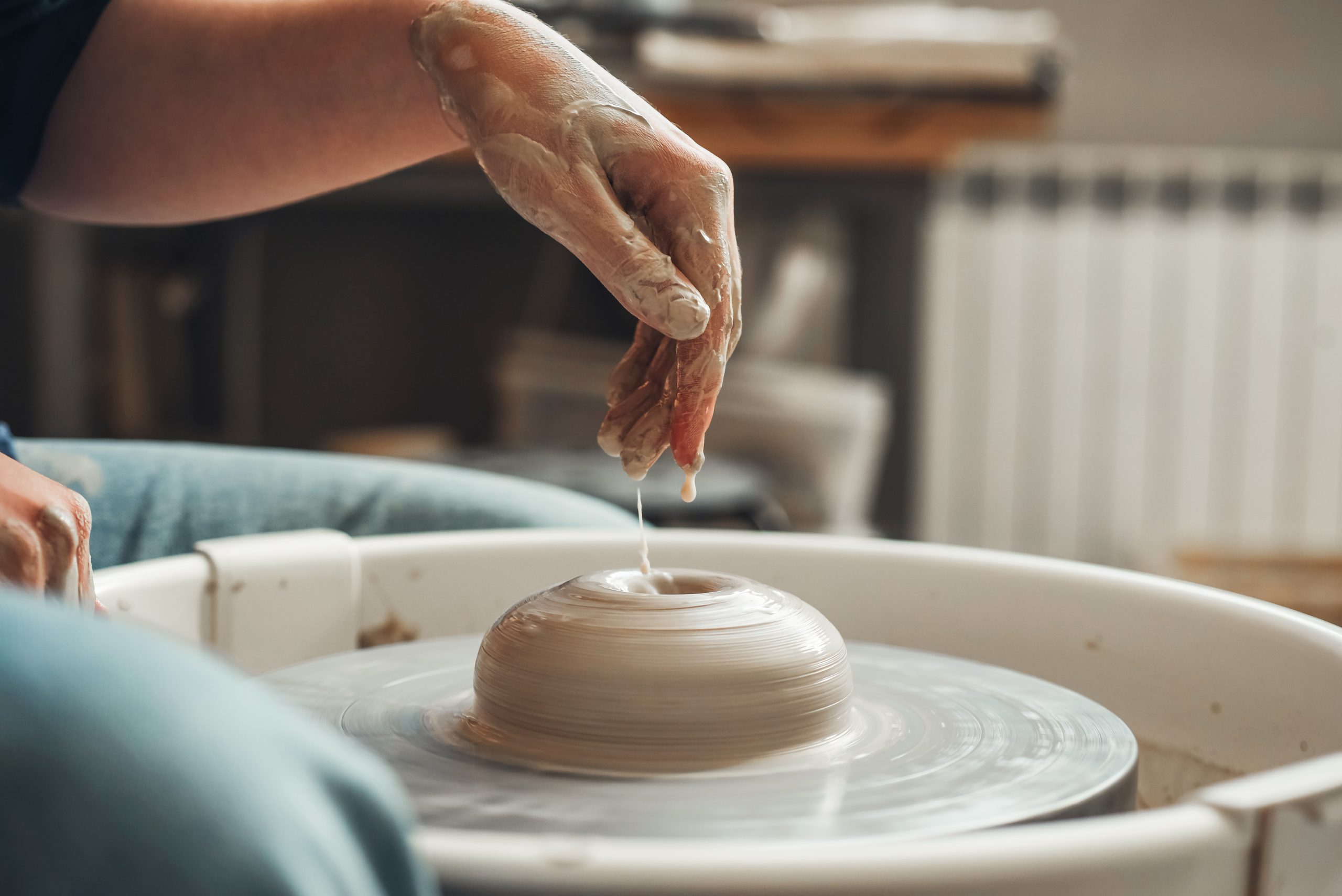
Pottery therapy, also known as ceramic therapy or pottery healing, involves the creation and manipulation of clay into functional or decorative objects under the guidance of a trained therapist or instructor. Participants engage in hand-building techniques such as sculpting, molding, and shaping clay on a potter’s wheel to express their thoughts, emotions, and experiences non-verbally. The tactile nature of working with clay encourages individuals to connect with their inner selves and explore their creativity in a supportive environment.
Historical Roots and Cultural Significance
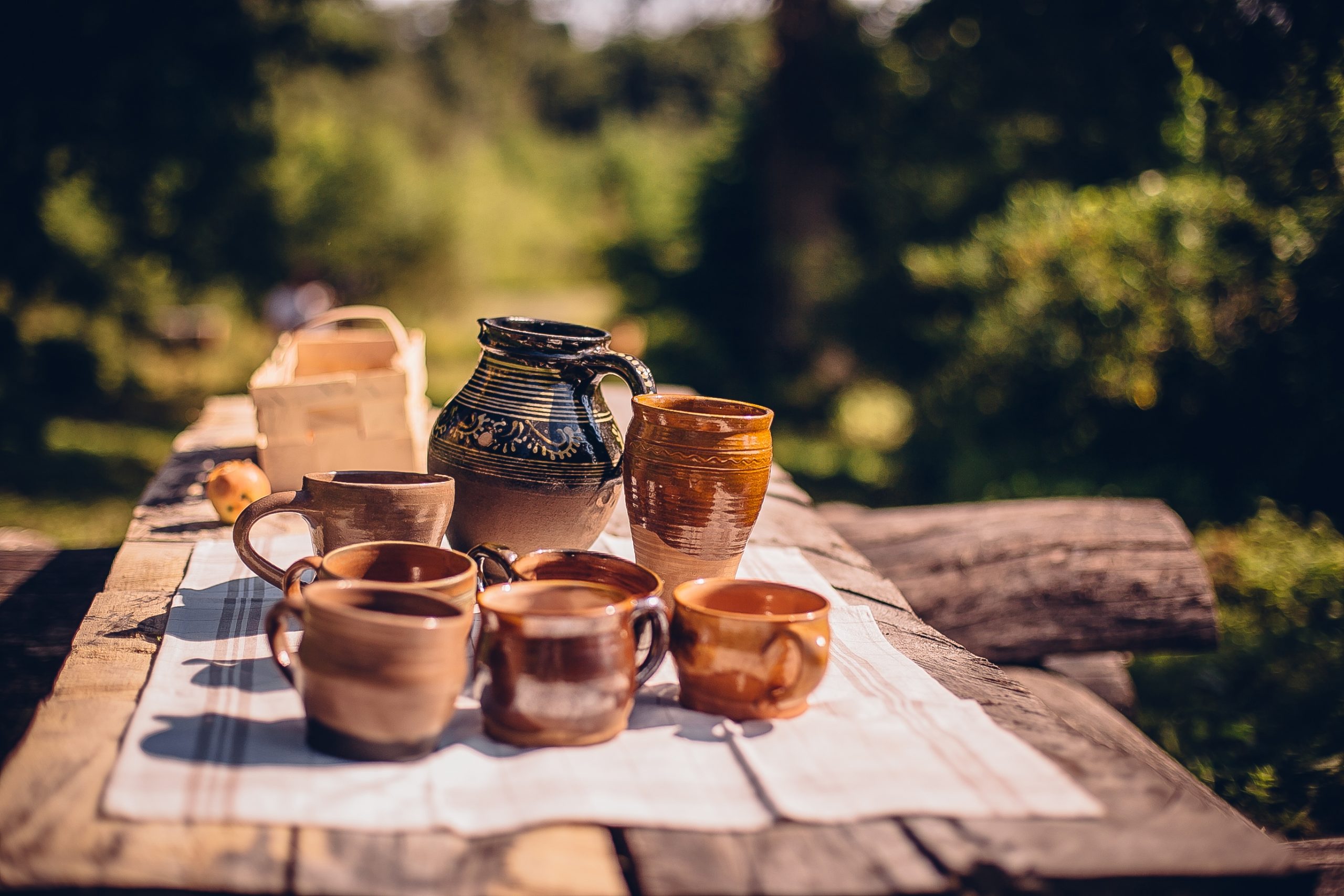
Pottery has held cultural and therapeutic significance across civilizations throughout history. Ancient pottery artifacts reveal that clay vessels were not only practical tools but also served ceremonial, spiritual, and healing purposes. For example, Native American tribes used clay for creating pottery that symbolized their cultural identity and spiritual beliefs. In Japan, the art of pottery-making, known as “tōgei,” has been celebrated as a form of meditation and mindfulness practice.
The Therapeutic Benefits of Pottery
Pottery therapy offers a range of therapeutic benefits that contribute to mental, emotional, and physical well-being:
- Stress Relief and Relaxation: The process of working with clay can induce a state of relaxation and calmness, reducing stress and anxiety levels.
- Emotional Expression: Pottery provides a medium for individuals to express complex emotions, trauma, or inner conflicts through creative expression rather than verbal communication.
- Mindfulness and Focus: Focusing on the tactile sensations of clay and the repetitive motions of pottery-making promotes mindfulness, improves concentration, and enhances present-moment awareness.
- Self-Esteem and Empowerment: Accomplishing pottery projects, whether simple or complex, fosters a sense of achievement, self-confidence, and empowerment.
Practical Applications of Pottery Therapy
Pottery therapy can be practiced in various therapeutic settings, including:
- Individual Therapy Sessions: One-on-one sessions with a trained therapist or counselor who guides the pottery-making process based on the individual’s therapeutic goals.
- Group Workshops: Group settings encourage social interaction, peer support, and the sharing of experiences while engaging in pottery-making activities.
- Community Programs: Pottery studios, art centers, and community organizations offer pottery classes and workshops accessible to individuals seeking creative expression and therapeutic benefits.
Integrating Pottery Therapy into Wellness Practices
As pottery therapy gains recognition in mental health and wellness circles, its integration into holistic treatment approaches continues to grow. Therapists and healthcare providers recognize the value of creative arts therapies, including pottery, in complementing traditional therapeutic modalities and promoting holistic healing.
Conclusion: The Art of Healing Through Pottery Therapy
In conclusion, pottery therapy exemplifies the transformative power of art as a therapeutic medium. By engaging in pottery-making, individuals not only create tangible works of art but also embark on a journey of self-discovery, emotional expression, and personal growth. Whether seeking stress relief, emotional healing, or simply a creative outlet, pottery therapy offers a nurturing space for individuals to connect with their inner selves and cultivate resilience. As we embrace the healing potential of creative arts therapies, pottery therapy stands as a testament to the profound impact of artistic expression on mental and emotional well-being.