


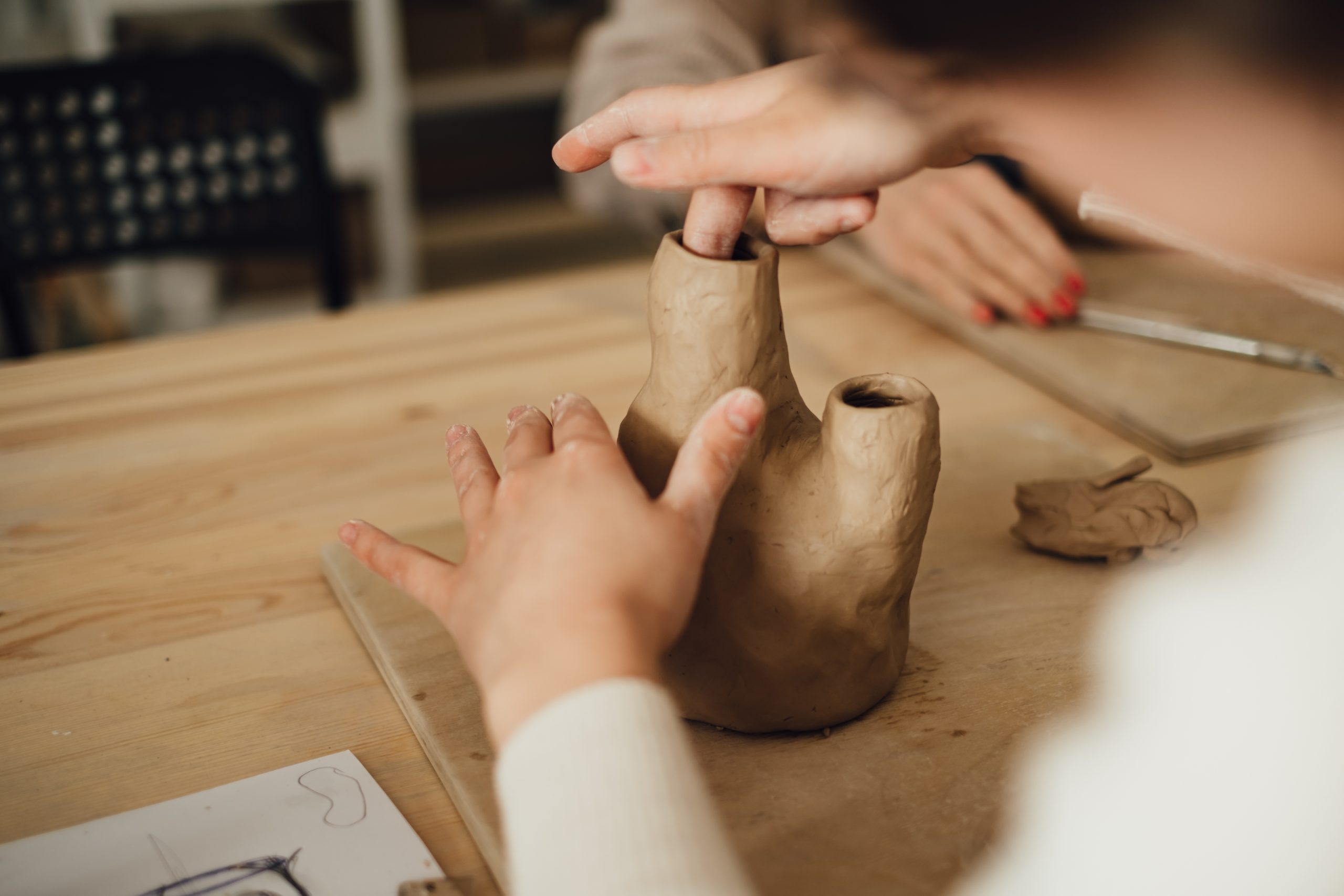
In the pursuit of creativity, whether in art, writing, music, or innovation, the concept of mindfulness plays a pivotal role. Mindfulness, rooted in ancient practices like meditation, has gained prominence in recent years for its ability to enhance focus, clarity, and overall well-being. When applied to creativity, mindfulness becomes a powerful tool for unlocking inspiration and harnessing one’s creative potential to its fullest.
Understanding Mindfulness in Creativity
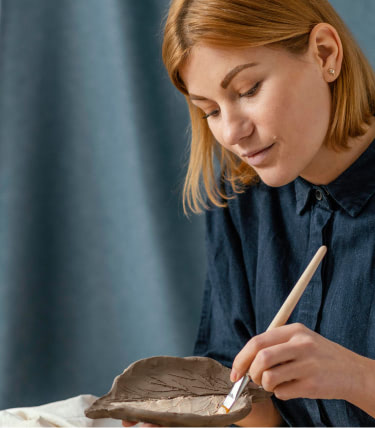
At its core, mindfulness involves being fully present in the moment, without judgment or distraction. It encourages individuals to observe their thoughts, emotions, and surroundings with a sense of curiosity and acceptance. In the context of creativity, this means immersing oneself fully in the creative process—whether brainstorming ideas, experimenting with materials, or refining a project—while letting go of self-criticism and external pressures.
Enhancing Creative Flow
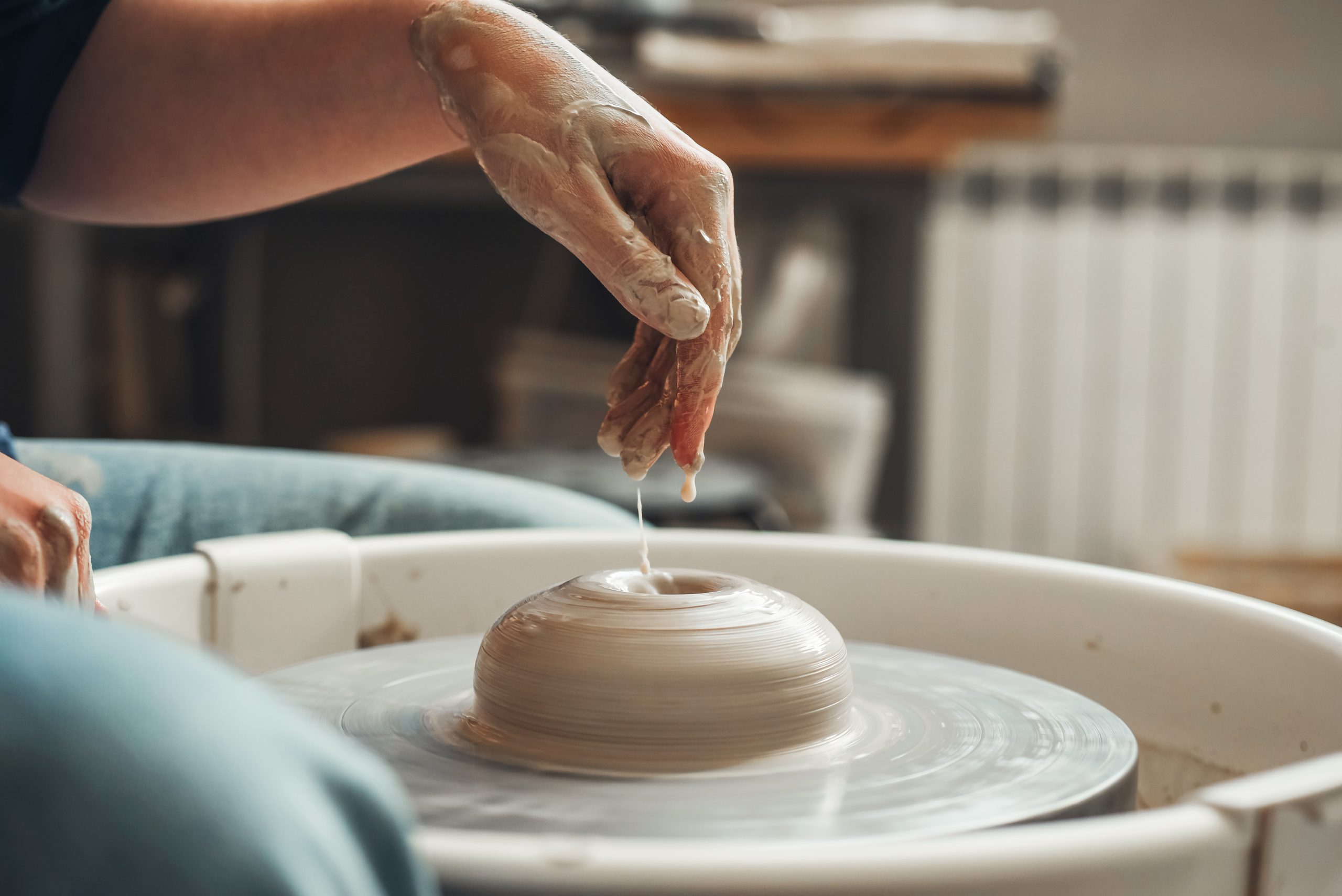
Creativity thrives in a state of flow—a mental state characterized by complete absorption in an activity. Mindfulness facilitates this state by helping individuals quiet the mind’s chatter and immerse themselves deeply in their creative endeavors. When fully present, artists and creators often experience a heightened sense of clarity, intuition, and spontaneity, allowing ideas to flow effortlessly and innovation to flourish.
Breaking Through Mental Blocks
Creativity is not always a linear process; it often involves navigating through mental blocks, self-doubt, and uncertainty. Mindfulness equips individuals with tools to navigate these challenges with greater resilience and creativity. By observing thoughts non-judgmentally and practicing self-compassion, creators can overcome creative blocks, tap into their innate creativity, and approach challenges with a fresh perspective.
Embracing the Journey of Creation
Mindfulness encourages creators to focus on the journey rather than fixate solely on the end result. By cultivating a present-moment awareness, artists can appreciate each step of the creative process—the initial spark of inspiration, the exploration of ideas, and the evolution of their work—without becoming overwhelmed by future outcomes or past failures. This mindset fosters a deeper connection to one’s craft and allows for greater experimentation and innovation.
Connecting with Authentic Expression
Authenticity is a hallmark of creative expression, and mindfulness plays a crucial role in cultivating this authenticity. By staying attuned to their inner experiences and values, creators can infuse their work with personal meaning and emotional depth. Mindfulness encourages artists to trust their intuition, explore new perspectives, and express themselves authentically, leading to work that resonates deeply with both the creator and their audience.
Mindfulness Beyond the Studio
The benefits of mindfulness in creativity extend beyond the creative process itself. Practicing mindfulness regularly can enhance overall well-being, reduce stress, and improve mental clarity—all of which are essential for sustaining long-term creative practices. Moreover, mindfulness fosters a sense of gratitude and appreciation for the beauty of everyday experiences, which can inspire new ideas and perspectives.
Conclusion
In conclusion, mindfulness is not just a practice but a mindset that can profoundly enrich the creative process. By cultivating present-moment awareness, embracing uncertainty, and fostering authenticity, creators can tap into their innate creativity and unleash their artistic potential. As we continue to navigate an increasingly fast-paced and complex world, mindfulness offers a pathway for creators to find inspiration, cultivate resilience, and create work that reflects their truest selves. By integrating mindfulness into their creative practices, artists and innovators can not only enhance their artistic output but also nurture their well-being and enrich their lives in profound ways.